How Luxury Architectural Design Increases Family Wealth in Exclusive Areas
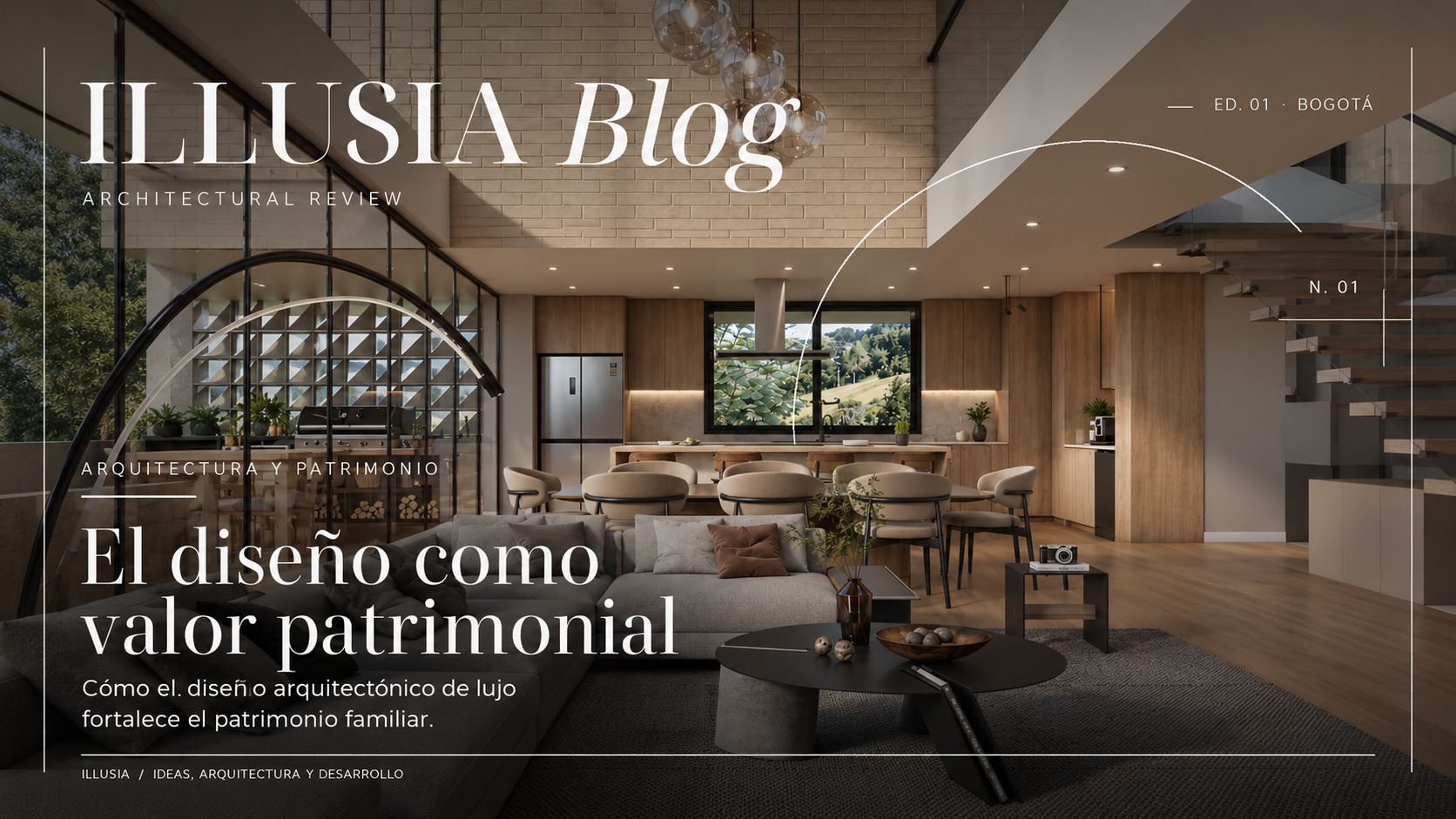
Luxury Architectural Design as a Strategic Investment
Luxury architectural design, particularly in exclusive locations, can be a powerful driver of property appreciation. According to Knight Frank, luxury properties in selected markets can appreciate faster than conventional properties because of factors such as design, location and global buyer demand. Design centered on distinctive details and high-quality finishes attracts buyers who value both aesthetics and long-term financial performance.
Profitability and Appreciation in Exclusive Areas
Exclusive locations such as Beverly Hills in Los Angeles or Bal Harbour in Miami experience strong demand for properties with luxury design. Design not only improves appeal but can reinforce intrinsic value. Sotheby's International Realty has reported that luxury homes with well-executed architecture often achieve stronger resale performance and can appreciate faster than properties that lack a distinctive design language.
Key Factors that Drive Value
Architecture in high-end markets is characterized by a combination of factors that contribute to value: material quality, energy efficiency, technological integration and the ability to personalize. Buyers increasingly look for properties that are visually impressive, functional and sustainable.
Design Elements that Increase Property Value
High-Quality Materials
Material selection is one of the first signals of luxury in a property. High-end marble, natural stone, exotic woods and specialized glass create a level of exclusivity valued by both buyers and the broader market. Research from the National Association of Home Builders has shown that luxury buyers are willing to pay more for durable materials and timeless design. These choices also extend the useful life of the property and reduce the need for future renovation.
Sustainable and Efficient Design
Sustainability has become a priority in luxury architecture. Research by McKinsey indicates that high-end buyers increasingly value environmental features, especially in Europe and North America. Solar energy, rainwater harvesting, high-performance insulation and double glazing can reduce environmental impact and improve long-term value by lowering operating costs.
Personalization and Functionality
Modern luxury is increasingly tied to personalization. Buyers want homes that reflect their lifestyles and adapt to particular needs. Flexible spaces, multiuse areas and customizable layouts add meaningful value. Trends reported by the American Institute of Architects show that personalized functionality is a major priority for luxury-home buyers.
The Impact of Context and Location on Property Value
The Importance of Geographic and Urban Context
The value of a luxury property is determined not only by its architecture but also by its context. Exclusive areas provide surroundings that strengthen desirability. CBRE has noted that properties located in well-planned areas with access to high-quality schools, restaurants and luxury retail tend to appreciate faster.
How Design Adapts to Exclusive Settings
Architecture in premium areas should respond to natural and urban conditions. On the French Riviera, for example, luxury homes often incorporate expansive windows and terraces that maximize sea views. In exclusive urban districts, architects may prioritize privacy through internal gardens or green walls that buffer the home from city activity. Context strongly influences how design can stand out and add value.
Luxury Architectural Design Trends in Exclusive Areas
Timeless and Sustainable Design
Timelessness is one of the most valued qualities in contemporary luxury. Properties designed for longevity and sustainability tend to preserve value better than those driven by short-lived trends. Savills has suggested that timeless design, particularly when combined with sustainable practices, can significantly strengthen long-term value. Durable, low-impact solutions help keep a property relevant and desirable.
Technology and Home Automation
Smart-home technology is transforming the luxury market. Systems that control lighting, security and climate from mobile devices are increasingly expected by high-end buyers. Coldwell Banker has reported strong demand for properties with integrated smart technology.
Multiuse Spaces and Wellbeing at Home
Wellbeing-centered design is expanding rapidly in luxury housing. Flexible spaces such as private gyms, meditation rooms and remote-work areas have become essential. The COVID-19 pandemic accelerated this shift as people spent more time at home and sought to integrate work, exercise and recovery into private environments. Flexibility improves daily life and strengthens property value.
Conclusion
Luxury architectural design is a strategic investment that can increase property value while improving quality of life. High-end materials, sustainable practices and personalization help properties remain relevant and attractive over time. The key is to create spaces that are visually compelling while also delivering strong long-term financial value. In a world where demand for luxury continues to grow, well-executed design is what separates an ordinary investment from an extraordinary one.