
Architectural Visualization: The Key to Commercial Success in Real Estate Projects and the Technological Revolution Driving Sales
The Evolution of Architectural Visualization
Architectural visualization has evolved dramatically from flat drawings and paper sketches to fully immersive digital experiences. What was once limited to 2D plans and physical models is now a dynamic process that allows clients to see the future of an investment with unprecedented precision and detail.
ArchDaily has documented the rapid growth of visualization technologies, supported by advances in virtual reality and artificial intelligence. These tools help real estate developers attract investors and improve decision-making throughout the project life cycle.
Photorealistic Renders: Beyond Imagination
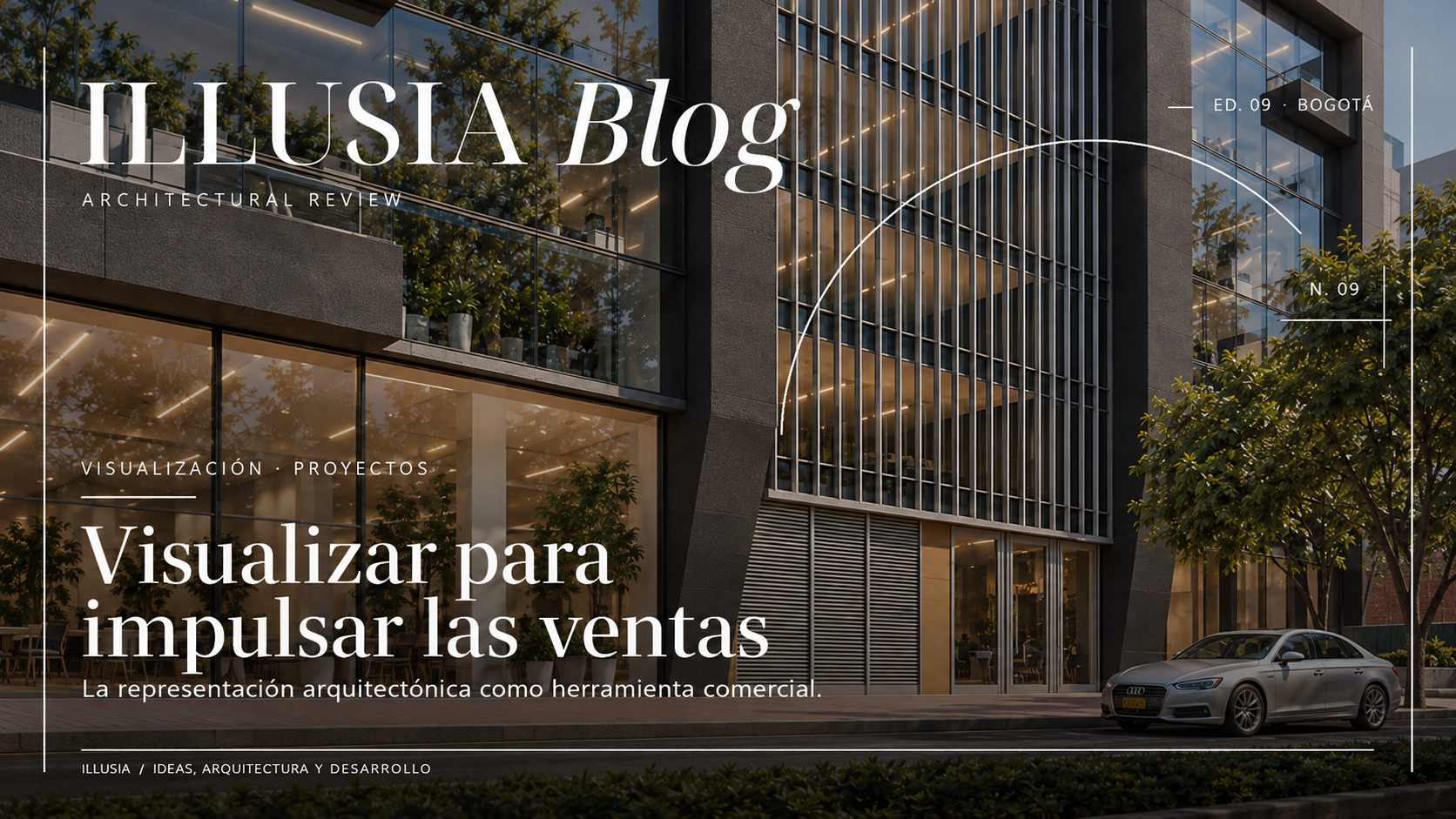
Photorealistic architectural renders are among the most powerful tools for presenting a project before construction. Engines such as V-Ray and workflows based on 3ds Max can reproduce light, materials and environmental detail with a level of realism that approaches photography.
CGarchitect has reported that companies using high-quality renders can improve client confidence and conversion rates. This is particularly relevant in exclusive projects where buyers expect high levels of customization and detail.
360-Degree Virtual Tours: The Ultimate Immersive Experience
360-degree virtual tours allow potential buyers to move through a space before it exists. Platforms such as Matterport and customized Unreal Engine applications create experiences that go beyond static imagery, allowing users to explore a project and understand its spaces in depth.
Forbes has highlighted virtual tours as especially useful in luxury real estate because they remove geographic barriers for international buyers. In Colombia, this can help attract foreign investors interested in destinations such as Cartagena, Medellín and Bogotá.
Virtual and Augmented Reality: The Next Step in Project Presentation
Virtual reality and augmented reality are taking architectural visualization further. While 360-degree tours allow users to explore a space, VR can provide a more immersive sense of presence inside a digital version of a project.
Deloitte has projected substantial growth in VR and AR applications for real estate. These technologies improve customer experience and can also support design optimization by helping identify issues before construction begins — especially valuable in exclusive projects where every detail matters.
Interactive Applications: Platforms Powered by Unreal Engine and V-Ray
Unreal Engine and V-Ray can support not only photorealistic images but interactive applications that let clients change materials, furniture, lighting and other key design elements in real time.
A notable example is the interactive sales platform developed for Hudson Yards in New York, which allowed buyers to personalize apartments and see changes instantly. Similar tools can support Colombia's market as expectations for personalization continue to rise.
Impact on Real Estate Commercialization
Architectural visualization is not only a design tool; it is a sales strategy. Savills has reported that projects using advanced visualization tools can improve early-stage sales performance.
In Colombia, this trend is growing in luxury markets in Bogotá, Medellín and tourism destinations such as Santa Marta and Cartagena, where developers compete for both local and international high-income buyers.
International Success Stories
Advanced architectural visualization has supported the commercialization of high-profile developments around the world. At One Manhattan Square in New York, renders and virtual tours were used extensively before construction to support presales.
Damac Towers in Dubai also relied on high-quality renders and immersive video to attract international luxury buyers and accelerate sales.
Relevance of Architectural Visualization in Colombia
Colombia's real estate market continues to grow, particularly in premium segments. Advanced visualization offers a significant opportunity to attract investors and high-end buyers seeking property in Bogotá, Medellín and Cartagena. Virtual tours and photorealistic renders are becoming increasingly relevant in luxury residential and tourism projects.
The Future of Architectural Visualization in Real Estate Development
As technology advances, architectural visualization will remain central to real estate development. Artificial intelligence will continue to improve realism, while augmented reality will create new ways of experiencing and comparing design options.
In Colombia, developers that adopt these technologies will be better positioned to capture buyer attention and strengthen project commercialization. With architectural visualization at the center of the sales strategy, exclusive projects can earn client trust and imagination before the first stone is laid.