
The Role of Architecture and Interior Design in the Brand Identity of Exclusive Hospitality Businesses
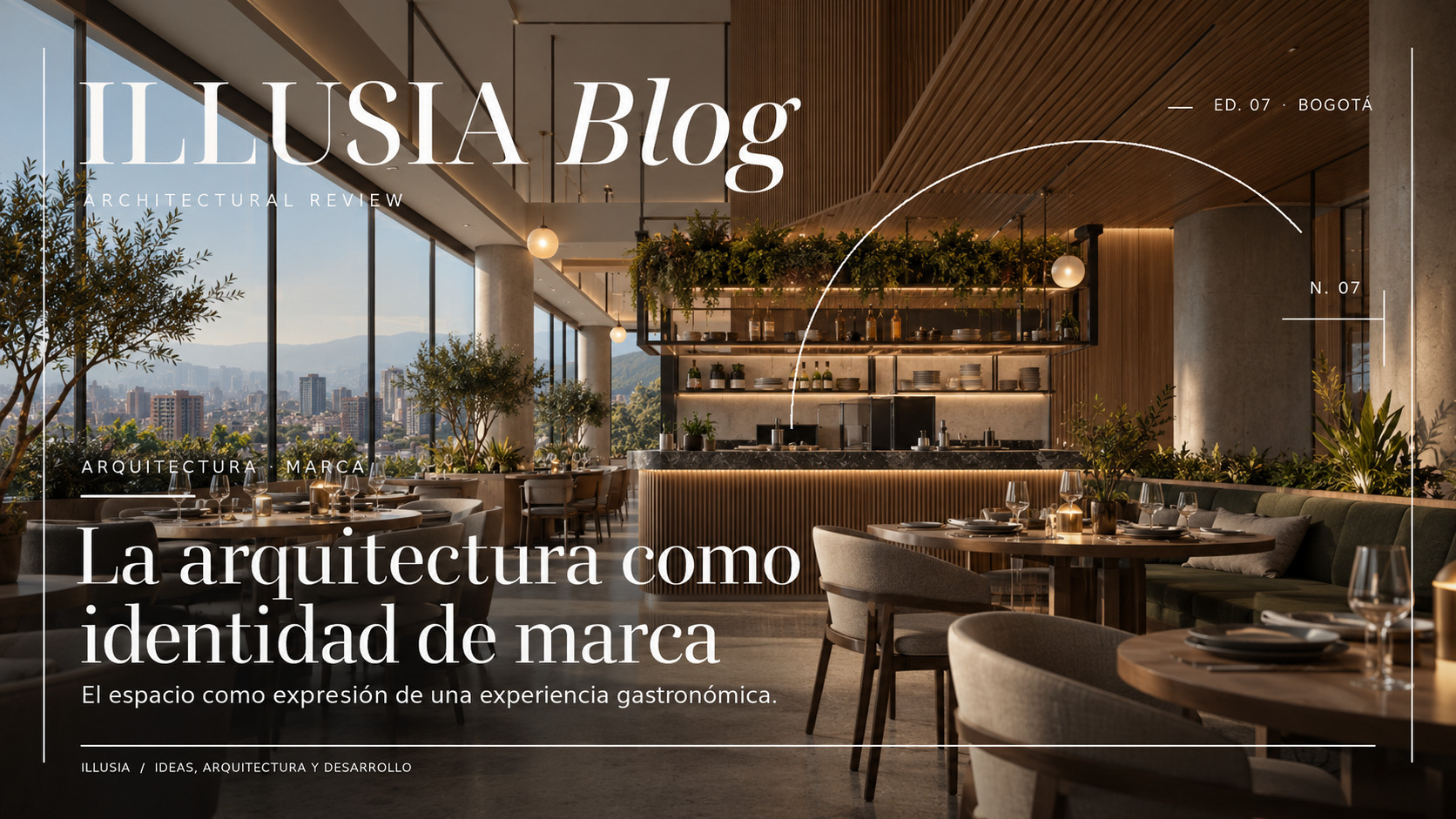
The Importance of Brand Identity in Exclusive Hospitality Businesses
In luxury gastronomy, brand identity depends on more than the menu. It is shaped by how the complete experience is presented and lived. Hospitality research shows that atmosphere and design are major factors in customers' decisions to visit a high-end restaurant, demonstrating that architecture and interior design are essential to building a strong, memorable brand.
Architecture and interior design should integrate the values, story and promise of the brand. In exclusive hospitality businesses, these disciplines create the setting in which guests experience not only food, but an environment that reinforces perceptions of luxury, exclusivity and uniqueness.
How Architecture Reinforces Brand Identity
Architectural Elements as Differentiators
Architecture can become a decisive differentiator for an exclusive hospitality brand. The World's 50 Best Restaurants demonstrates that leading restaurants stand out not only through cuisine but through distinctive spaces that express brand philosophy. Structure, materiality and exterior design communicate what the business represents before a dish reaches the table.
Amass in Copenhagen, for example, used a Brutalist language to evoke sustainability and connection to nature — values aligned with its culinary focus on local and organic ingredients. The industrial structure and use of recycled materials reinforce the restaurant's ecological identity.
The Role of Location and Design in the Perception of Exclusivity
The location and architecture of an exclusive restaurant or bar strongly influence the perception of luxury. Il Ristorante Luca Fantin in Tokyo, located in the Bulgari Ginza Tower, uses height, panoramic views and minimalist high-end design to connect the dining experience with the Bulgari brand.
An iconic location, premium materials and a unique environment can transform a hospitality space into a destination that represents more than food; it becomes an extension of the brand and a lifestyle experience.
Interior Design: Creating Experiences Through Space
Sensory Design for Hospitality Brands
Interior design in luxury hospitality is not only visual; it is about creating a complete sensory experience. Cornell University's School of Hotel Administration has shown that interior design can influence how long customers stay, how much they spend and whether they return. Design shapes emotion and perception, reinforcing brand identity.
Noma in Copenhagen uses subdued lighting, natural wood furniture and open planning to create a warm but sophisticated environment aligned with modern Nordic cuisine. The minimalist, rustic approach strengthens its identity as a pioneer of New Nordic gastronomy.
Materials, Texture and Color in Brand Identity
Specific materials and textures are essential in luxury restaurants and bars. Sketch in London uses opulent materials including velvet and marble to communicate fantasy and extravagance. Color is equally important: its pastel tones and bold accents create contrast with the high-end cuisine and make the space itself part of the experience.
Color palettes can influence customer emotion and help differentiate a brand. Dark tones such as black and purple are often associated with exclusivity and luxury, while red and gold can reinforce glamour and sophistication.
International Cases that Define Trends
Noma — Copenhagen
Noma has used both architecture and interior design to strengthen brand identity. Located in a renovated former warehouse, the restaurant connects Nordic tradition with a contemporary interpretation. Minimalist modern architecture is combined with rustic elements to express authenticity and connection to nature.
Natural wood, leather and stone create an atmosphere that is warm yet refined, reflecting the restaurant's commitment to local and sustainable ingredients.
Sketch — London
Sketch is one of the clearest examples of interior design functioning as an extension of brand identity. Its themed rooms offer different experiences while remaining coherent with a brand built around creativity, art and extravagance.
The interior is as famous as the menu, from the pastel Gallery Room to the opulent Lecture Room & Library. This eclectic design strengthens Sketch's position as a place where gastronomy and art intersect.
Momofuku Ko — New York
Momofuku Ko demonstrates how design can reflect culinary philosophy. Its restrained, minimalist interior puts attention on the food and aligns with chef David Chang's direct, innovative approach.
Natural wood, subdued lighting and an open layout that allows guests to see the kitchen communicate transparency and authenticity. By removing unnecessary ornament, the design emphasizes product quality and culinary skill.
Conclusion
Architecture and interior design are fundamental to defining brand identity in exclusive hospitality. Materials, color, texture and spatial organization can transform a restaurant or bar into an expression of luxury and distinction. International cases such as Noma, Sketch and Momofuku Ko show that well-executed design improves customer experience and reinforces a brand's values and story, turning each visit into a memorable moment.