
The Impact of Design on Quality of Life: Creating Functional, Timeless Spaces for Exclusive Families
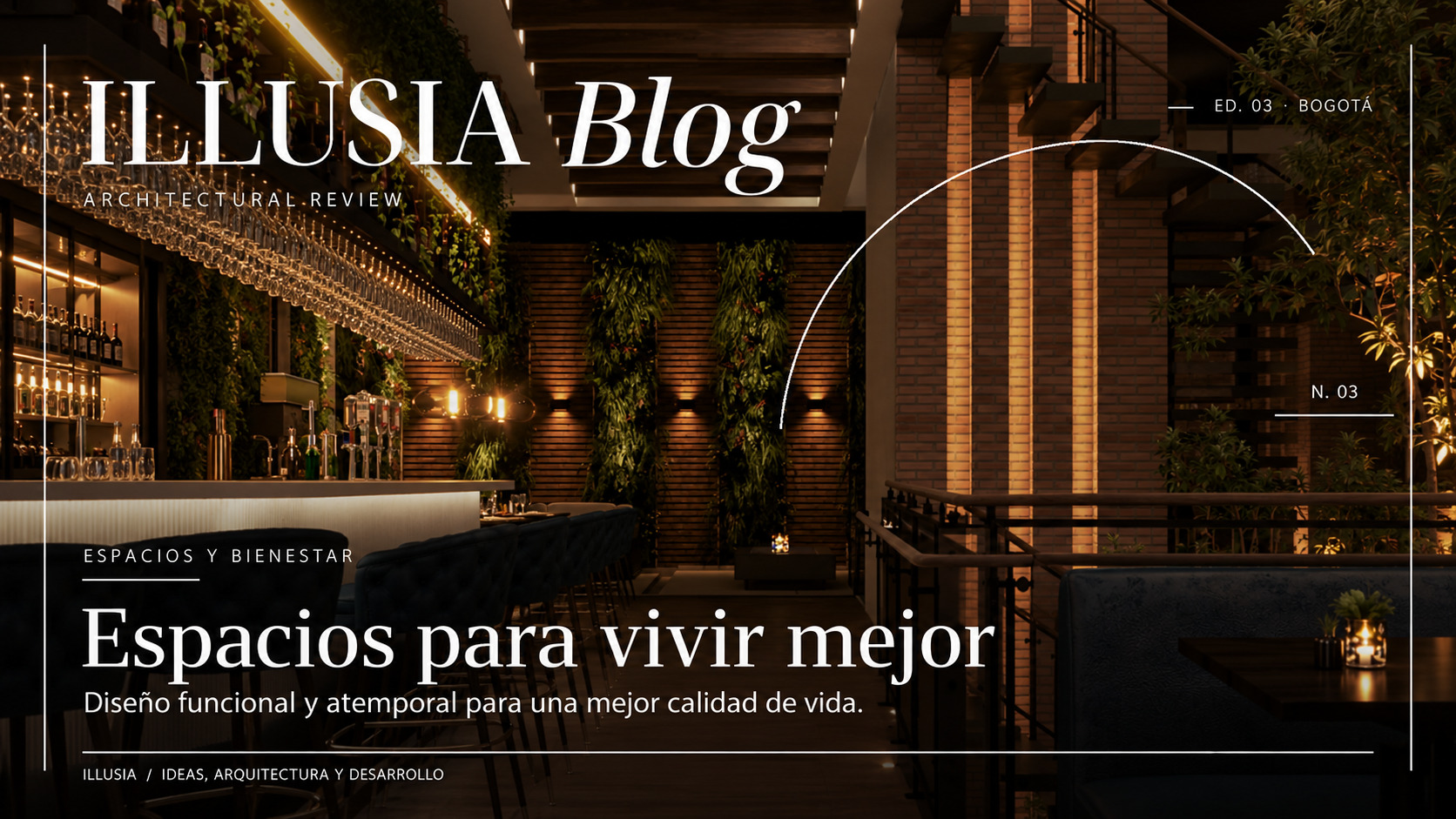
The Value of Functional and Timeless Design in Luxury Homes
In luxury housing, a functional and timeless approach has become central to improving families' quality of life. International research suggests that the environments in which we live directly affect physical and mental wellbeing. Work by the Well Living Lab together with the University of Minnesota, for example, has shown that efficiently designed spaces can support better mood and reduce stress.
These principles are not limited to Europe or the United States. In Colombia, high-profile families living in exclusive areas such as Chicó or La Calera in Bogotá seek more than aesthetic luxury; they want spaces that improve daily life. Functional design means that spaces should be beautiful and capable of adapting to changing family needs.
In premium districts such as El Poblado in Medellín and leisure destinations such as Barú and Llanogrande, luxury homeowners increasingly seek architecture that integrates flexible social areas for both entertaining and rest, with a focus on durability and family wellbeing.
Key Factors that Improve Quality of Life in Premium Properties
Open and Flexible Spaces
Open-plan environments have gained global traction because they can improve social interaction and functionality. In Colombia, this trend is visible in luxury residences where families value fluid relationships between kitchens, living rooms and dining areas. That openness supports social life, an important dimension of Colombian culture.
Research in environmental psychology has associated well-planned open spaces with greater user satisfaction because of their flexibility and adaptability. In places such as Llanogrande, this means homes should offer not only exceptional views but also interiors that flow naturally and adjust to different family situations.
Natural and Durable Materials
Natural materials such as stone, wood and marble are central to luxury design. They add visual value while improving durability and, when responsibly sourced, sustainability. The World Green Building Council has highlighted the potential for durable, environmentally responsible materials to reduce long-term maintenance costs.
In Colombian coastal locations such as Cartagena, where humidity is critical, developers increasingly use local materials such as coral stone and tropical woods selected for climate performance. This supports a timeless aesthetic and reduces the need for constant renovation.
Natural Light and Ventilation
Natural light has a documented impact on mental health and wellbeing. Research from the Harvard School of Public Health has linked access to daylight with better mood and productivity. In Bogotá, where cloudy days are common, maximizing daylight can be especially important in creating healthy, welcoming interiors.
Large windows, skylights and internal courtyards allow daylight to reach deeper into a home while strengthening visual connections to the outdoors. This is particularly valuable in areas such as Sabaneta or Llanogrande, where natural landscapes are a major component of property value.
Timeless Design and Family Investment in Colombia
Timeless design is important for families seeking to protect long-term property value. Globally, architecture designed beyond short-lived trends has proven effective in preserving and even increasing value over time. Knight Frank has reported stronger long-term performance for properties with durable, timeless design characteristics.
In Colombia, exclusive areas in Bogotá, Medellín and the Caribbean coast have seen increased demand for homes with clean lines, high-quality materials and neutral palettes that remain relevant over time. Families gain confidence that the property will not quickly lose appeal as trends change.
Case Study: Functional Design in Exclusive Areas of Colombia
Residential Project in Barú, Cartagena
A useful example is a residential development in Barú designed around sustainability and integration with the natural environment, using local materials such as coral stone and climate-resistant woods.
Owners benefit from panoramic sea views, generous windows, internal courtyards and natural ventilation. Flexible interior planning also allows families to adapt spaces for entertaining, rest or changing household needs.
This type of approach shows how well-executed design can generate both economic benefits and improvements in everyday quality of life.
Conclusion
In Colombia, exclusive residential design should not focus only on luxury aesthetics. It should also improve the lives of the people who inhabit the space. Functionality, sustainability and timelessness help families enjoy a better daily experience while protecting and strengthening long-term property value.
International research applied to local conditions shows that thoughtful design can support emotional wellbeing, sustainability and investment performance — especially in Colombia's most exclusive markets, where demand for premium properties continues to grow.